Arado Ar 79 Record Flight
6300 km ohne Zwischenlandung
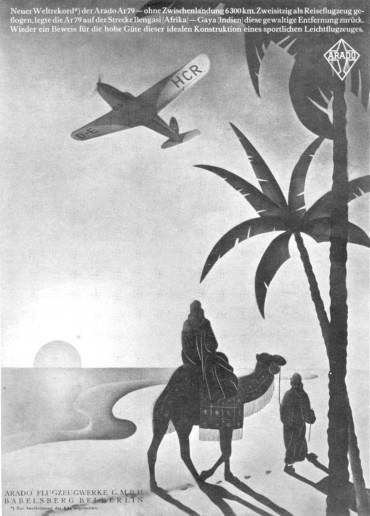
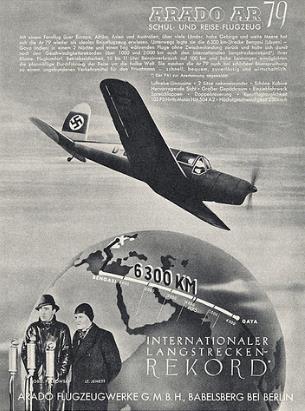
Arado Ar 79 fliegt hervorragenden Langstreckenrekord

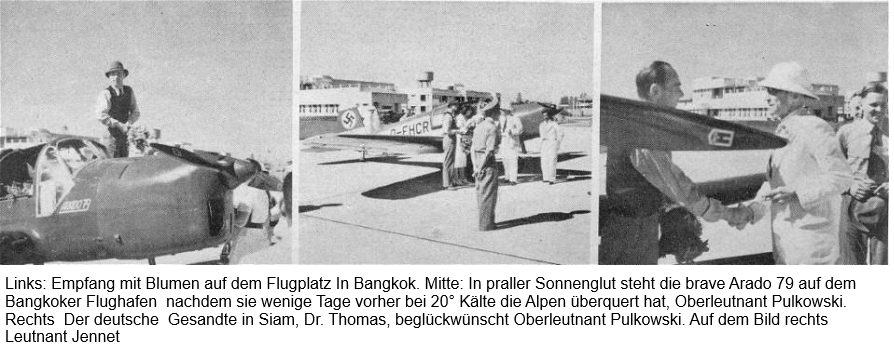
Wie wir schon im letzton Heft kurz mitteilen konnten, hat das neue Arado Sport- und Reiseflugzeug Ar 79 mit dem 105-PS-Hirih-Motor HM 504 unter Führung von Oberleutnant Pulkowskl und Leutnant Jennet einen in der ganzen Welt bewunderten Langstreckenflug nach Australien unternommen. Auf der längsten Klappe gelang es den Fliegern, 6300 km ohne Zwischenlandung zurückzulegen. Nachstehend bringen wir eine eingehende Schilderung dieses Fluges, der in allen Einzelheiten ausgezeichnet vorbereitet war.
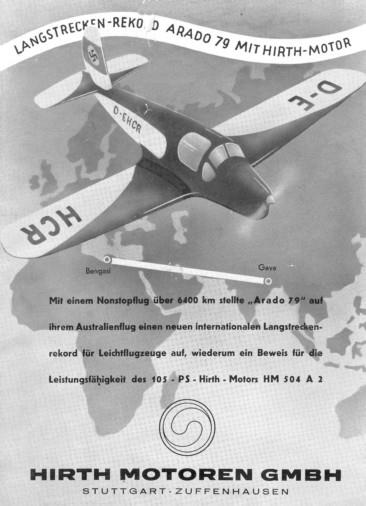
Während der drei letzten Tage des vergangenen Jahres, am 29., 30. und 31. Dezember 1938, hat das zweisitzige Reiseflugzeug Arado 79 in einem 30stündigen Non-Stop-Flug mit. 6300 km einen neuen internationalen Entfernungsrekord in gerader Linie für die Klasse C — Leichtflugzeuge bis 4 Liter Gesamthubvolumen aufgestellt, der der FAI. zur Anerkennung gemeldet worden ist Diese Streckenleistung — es wurde eine Entfernung überbrückt, die größer ist als die Strecke Berlin- -New York hat auch in Fachkreisen so grosse Bewunderung ausgelöst, daß es angebracht ist, ausführlich darauf einzugehen. Der bestehende Rekord über 4175 km ist mit einer Tatra 101 (105 PS Lizenz-Hirlh-Motor HM 504) mit der Strecke Prag—Khartum im vergangenen Sommer von den Tschechen aufgestellt worden. Als die Ar 79 zur gleichen Zeit ihre ersten Rekorde über 1000 und 2000 km flog, war für Arado die Untersuchung naheliegend, ob die Maschine auch den internationalen Langst- reckenrekord ihrer Klasse brechen und an sich bringen könne Die Ar 79 hat mit dem HM 504 A 2 den gleichen Motor wie die T 101. Im wesentlichen unterscheidet sie sich von Ihr durch die nebeneinanderliegend angebrachten Sitze und das Verschwindfahrwerk. Die Höchstgeschwindigkeiten sind mit ca. 230 km/h annähernd gleich. Zur Verfügung stand die D-EHCR, eine der drei im Frühjahr herausgebrachten Serienmaschinen. Mit ihr war bereits der Deutschlandflug 1938 geflogen und der internationale 2000 - km Geschwindigkeitsrekord aufgestellt worden. Das gleiche Baumuster hat außerdem den internationalen 1000-m-Rekord im Besitz und siegte bei den Ersten Internationalen Luftrennen In Frankfurt am Main. Trotz der Beanspruchungen, die die D-EUCR bereits hinter sich hatte, bestanden keine Bedenken, sie für das geplante Unternehmen einzusetzen. Von vornherein war beabsichtigt, den tschechischen Rekord gleich erheblich, um 50 Prozent, zu überbieten.
Zur Erhöhung der normalen Reichweite von 1025 km und für die Durchführung eines derart großen Fluges waren eine Anzahl um und Einbauten erforderlich, die zur Charakterisierung der Leislungs- reserven des Baumusters interessant sind. Der wichtigste Punkt war die Unterbringung eines ausreichenden Brennstoffvorrates. Bei einem angenommenen Benzinverbrauch von 16 Liter pro Stunde im Sparflug und bei einer Reisegeschwindigkeit von 160 km/h über Grund nach Berücksichtigung von Gegenwinden und Verlusten durch das erforderliche Steigen auf große Höhen mußten daher
über 600 Liter Benzin
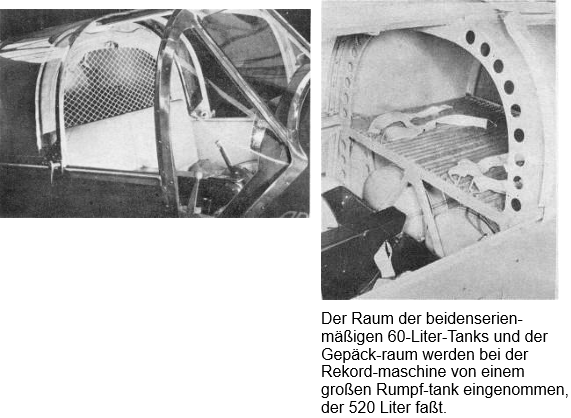
mitgeschleppt worden. Der Platz, den der Gepäckraum und die beiden serienmäßigen 60 l Tanks unter ihm einnahmen, wurde zu einem großen Rumpftank umgebaut. Seine Konstruktion war nur dadurch möglich, daß die Ar 79 in Schalenbauweise ohne Ausstrebungen hergestellt ist. Das Fassungsvermögen dieses Tanks konnte auf 520 Liter gebracht werden. Allerdings war damit der tschechische Rekord noch nicht um das vorgesehene Maß zu schlagen. So kam man auf den Gedanken, einen
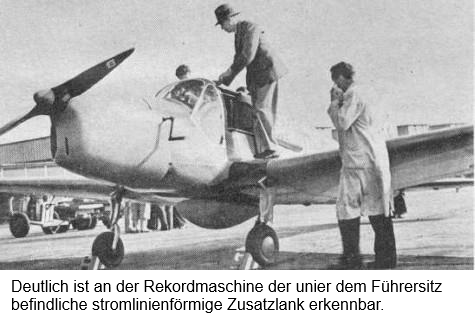
Zusatzbehälter außerhalb des eigentlichen Flugzeugkörpers
unter Schwerpunkt und Hauptachse anzubringen, dessen Ausmaße sich durch die Bauart der Ar 79 und der an die D-EHCR gestellten Ansprüche ergaben. Er faßte 106 Liter. Dieser Zusatztank verringerte dir, Geschwindigkeit, des Flugzeuges, obwohl or sich dicht an den Rumpf schmiegte und aerodynamisch möglichst günstig geformt war, durch die Vergrößerung des Stirn-Widerstandes fühlbar. Um den dadurch hervorgerufenen Verlust nicht zu groß werden zu lassen, führte man den
Außenbehälter abwerfbar
aus. Wenn nach ca. fünf Flugstunden der Haupttank soweit leer geflogen war, daß man den Kraftstoff aus dem Zusatzbehälter in ihn umpumpen konnte, sollte dieser abgeworfen werden. Pumpe und Abwurfhebel wurden zwischen den Sitzen angebracht Den Oelvorrat erhöhte man auf 13 Liter. Der Tank dafür befindet sich unter der Motorhaube.
Spornrad mit Schleifteller
Um. Starts und Landungen auch auf schlechten und insbesondere weichen Plätzen zu ermöglichen, erhielt die Maschine einen Spezialsporn. Das Spornrad selbst blieb erhalten. In Achshöhe wurde ein Schleifteller rundherum vorgesehen, der wirksam werden kann, wenn das Spornrad einsinkt.
Da der Gepäckraum verlorengegangen war, mußten zusätzliche Stauräume geschaffen werden. Vor den beiden Sitzen befinden sich zwei Kästen, auf denen die Knie der Besatzungmitglieder ruhen. Der linke dient der Unterbringung der eisernen Ration und der Nahrungsmittel. Die eiserne Ration selbst bestand aus Backobst, Schokolade, hundert Zigaretten und Hartbrot. An Nahrungsmitteln wurden Früchte und leichtes Fleich ab Bengasi mitgenommen. Der rechte Kniekasten enthält Leuchtpatronen mit der dazugehörigen Pistole, Revolver und
Munition sowie einen kleinen Satz Werkzeug.
Trinkwasser brachte man in zwei gummierten Leinenbeuteln zu je vier Liter zwischen dem Hauptank und der Rumpfwand unter. Die Seiteiwände der Kabine trugen sechs Taschen für das umfangreiche Kartenmaterial für den Flug von Brandenburg bis Bangkok. Karten standen für den gröβton Teil der Strecke nur im Maßstab 1:1000 000 und 1:2 000 000 zur Verfügung. Der Besatzung waren damit schwierige navigatorische Aufgaben gestellt. Die Beschaffung der Karlen erfolgte über den Aero-Club von Deutschland. Ersatzteile — beispielsweise Kerzen — wurden nur in beschränktem Umfange mitgenommen. Auf dem Flug selbst wurden nicht neue, sondern die gleichen Boschkerzen verwendet, die sich bereits bei den Versuchs- und Meßflügen bewährt hatten. Die Instrumentierung erfuhr einige Ergänzungen. Die wichtigste war ein weitgehend genau arbeitender Vorratsmesser. Ein Sperrygerät war versuchsweise eingebaut worden, wurde aber wegen der Größe der Düse wieder entfernt. Wendezeiger und Variometer waren mit die wichtigsten Navigations-instrumente. auf die die Besatzung angewiesen war. Weiterhin wurden zwei Barographen eingebaut.
Das Fluggewicht für Rekordangriff
Normalerweise beträgt das Leergewicht der Ar 79 526 kg. die Zuladung :304 kg, das Fluggewicht als Reisenflugzeug somit 830 kg. Durch die zusätzlichen Einbauten wurden die Gewichte natürlich wesentlich erhobt. Folgende Tabelle gibt darüber Aufschluß:
Leergewicht............. 520 kg
Ausrüstung.............. 26 kg
Benzin................ 464 kg
OeL................. 13 kg
Besatzung und sonstige Zuladung . . . . , 167 kg
Höchstfluggewicht zur Rekordetappe . . . .1190 kg
Mithin muβte die Ar 79 zu der Rekordetappe mit beinahe genau soviel Betriebsstoff starten, wie ihr eigenes Gewicht beträgt. Entscheidend für die Zulässigkeit der Höhe der Zuladung war in erster Linie die Festigkeit des Fahrwerks. Die statischen Berechnungen ergaben, daß es die Belastung vertragen konnte. Wichtig war ferner die Frage genügender Erhaltung der Stabilität, insbesondere um die Querachse. Es wurde festgestellt, daß sie ausreichte, ohne daß die Besatzung durch dauernde willkürliche Korrekturen zu sehr ermüden mußte. Die Festigkeil der kunstflugtaugllchen Maschine und die Leistungen des Hirth-Motors wurden im übrigen als ausreichend festgestellt
Die Besatzung
Die Besatzung des Flugzeuges bestand aus Oberleutnant Pulkowski und Leutnant Jenett. Oberleutnant Pulkowski, früher Student des Flugzeugbaues, bekannt durch einen Afrikaflug vor zwei Jahren, über den wir seinerzeit ausführlich berichteten, ist 30 Jahre alt und gehört den Fallschirmjägern in Stendal an. Es war eine Duplizität der Fälle, daß er zu gleicher Zeit bei Arado anfragte, ob ihm für einen neuen Langstreckenflug eine Maschine zur Verfügung gestellt werden könnte, als der Rekordversuch gerade geplant war. Leutnant Jenett ist erst kurze Zeit bei der Luftwaffe. Er war früher Student der Medizin. Sein Alter betragt 24 Jahre. Er besitzt Blindflugerfahrung.
Schwierig war die Wahl des Flugweges um die jetzige Jahreszeit. Eine Nord-Süd-Strecke kam wegen der erheblichen Temperaturunterschiede — Vereisungsgefahr und anderseits Gewitterbildungen — nicht in Betracht. Infolgedessen wurde der Weg von Westen nach Osten gewählt. Als Startort wurde Tripolis ausersehen.
Da ein Flug von rd. 6000 km Länge sowieso bis in die Gegend von Benares im Norden Vorderindiens führen mußte, entschloß man sich, den Rekordversuch mit einem großen Langastreckenflug von über 50 000 km Lange zu verbinden. Es bestand dabei die Absicht, die Ar 79, die durch ihre bisherigen Leistungen in der Welt bereits stärkste Beachtung gefunden hatte, einer großen Reihe von Staaten zu zeigen. Die Rekordstrecke selbst wurde in Zusammenarbeit mit dem Reichsluftfahrtministerium, dem Aero-Club von Deutschland, der Seewarte Hamburg und anderen Stellen ausgearbeitet. Ihre Festlegung konnte sich nicht nach den bestehenden Luftverkehrsverblndungen in den Fernen Osten richten. Da sie über teilweise sehr wenig bevölkerte Gebiete führte und die Ar 79 kein Funkgerät besitzt, mußte
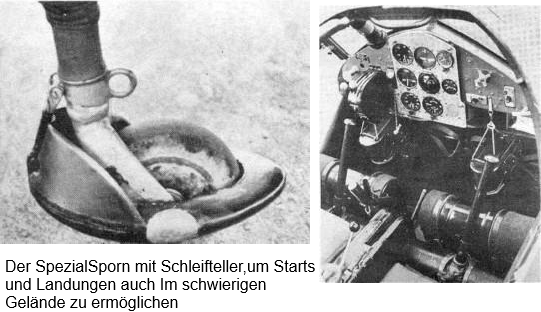
Ein Blick in die Kabine der Langstrecken-maschlne zeigt. daß jeder Platz ausgenützt ist Recht und links unter dem Instrumentenbrett hängen die beiden Barographen. Vor jedem Sitz befindet sich ein Kniekasten, enthalten eiserne Ration, Leuchtpistole, Revolver und MunitionZwichen den Sitzen der Hebel zur Betätigung des Fahrwerkes. Rechts davon der Spreizklappenhebel, ganz links im Vordergrund der Hebel für die Benzinpumpe